Green Campus Policy
Policy Objectives
The College is committed to developing an eco-friendly and sustainable campus by:
- Conserving natural resources and promoting environmental sustainability.
- Protecting campus biodiversity and increasing green cover.
- Promoting energy efficiency and renewable energy.
- Ensuring effective waste management and reducing plastic usage.
- Encouraging water conservation and rainwater harvesting.
- Creating environmental awareness among students and staff.
- Integrating sustainable practices into academic and administrative activities.
Green Campus Initiatives
| S.No |
Initiative Area |
Key Actions |
| 1 |
Biodiversity Conservation |
Promote plantation of native and indigenous trees; maintain botanical, medicinal and herbal gardens; develop a digital Campus Flora and Fauna Database; introduce QR-code-based plant identification; encourage biodiversity surveys and environmental documentation. |
| 2 |
Energy Conservation |
Promote energy-efficient LED lighting and equipment; encourage responsible electricity consumption; promote solar energy and other renewable energy sources. |
| 3 |
Water Conservation |
Promote rainwater harvesting and groundwater recharge; prevent water wastage and repair leakages; encourage wastewater reuse for gardening wherever feasible. |
| 4 |
Waste Management |
Promote Reduce, Reuse and Recycle practices; ensure proper disposal of electronic and hazardous waste; minimise single-use plastics on campus. |
| 5 |
Sustainable Transportation |
Encourage public transportation, cycling and carpooling; promote pedestrian-friendly pathways; regulate unnecessary vehicle movement within the campus. |
| 6 |
Paper Conservation & Green Procurement |
Promote paperless administration and digital communication; encourage double-sided printing and paper reuse; prefer energy-efficient and environmentally friendly products; minimise disposable materials during institutional programmes. |
| 7 |
Environmental Awareness |
Organise environmental awareness programmes, seminars and exhibitions; observe World Environment Day and other important environmental days; encourage NSS, Nature Club and departmental participation; promote environmental research, field studies and community outreach. |
Institutional Responsibilities
| Authority / Unit |
Responsibility |
| Management / Secretary |
Policy approval and support |
| Principal |
Overall supervision |
| IQAC |
Monitoring and documentation |
| Green Campus Committee |
Implementation and coordination |
| Department of Botany |
Biodiversity conservation and documentation |
| NSS / Eco Club |
Student participation and awareness |
| All Departments |
Implementation of green practices |
Energy Management
Solar Power Generating System
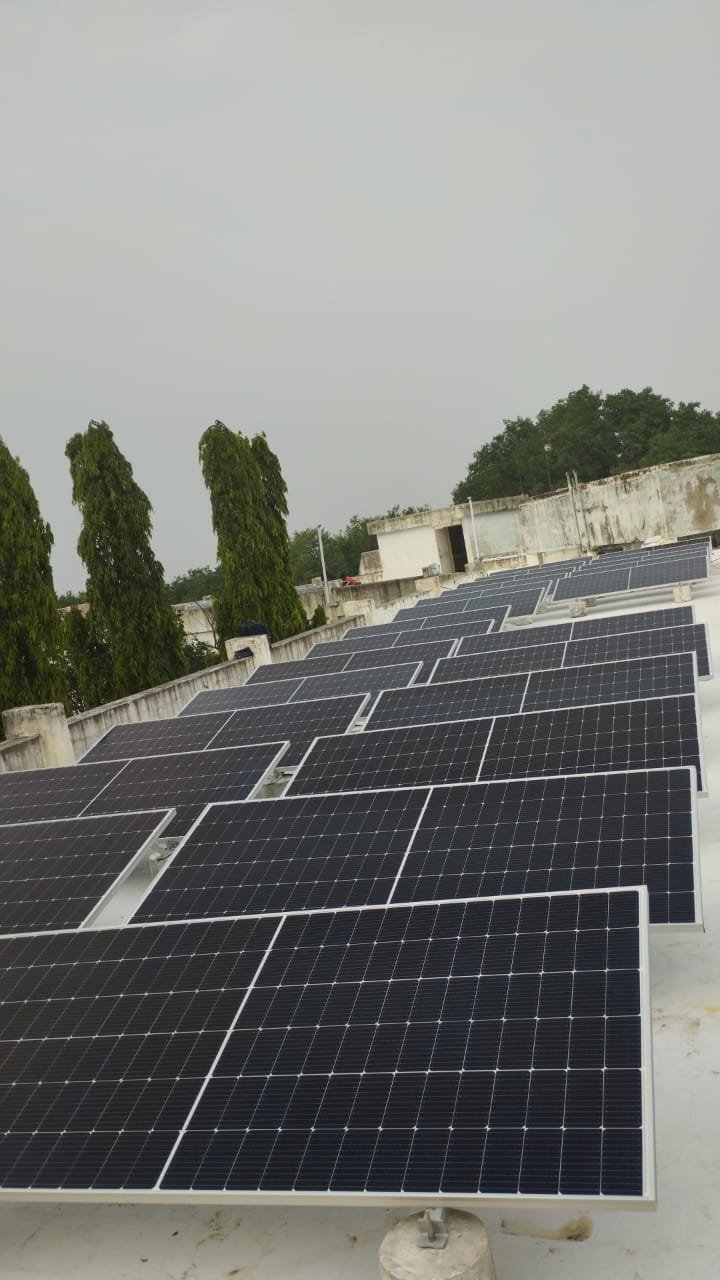
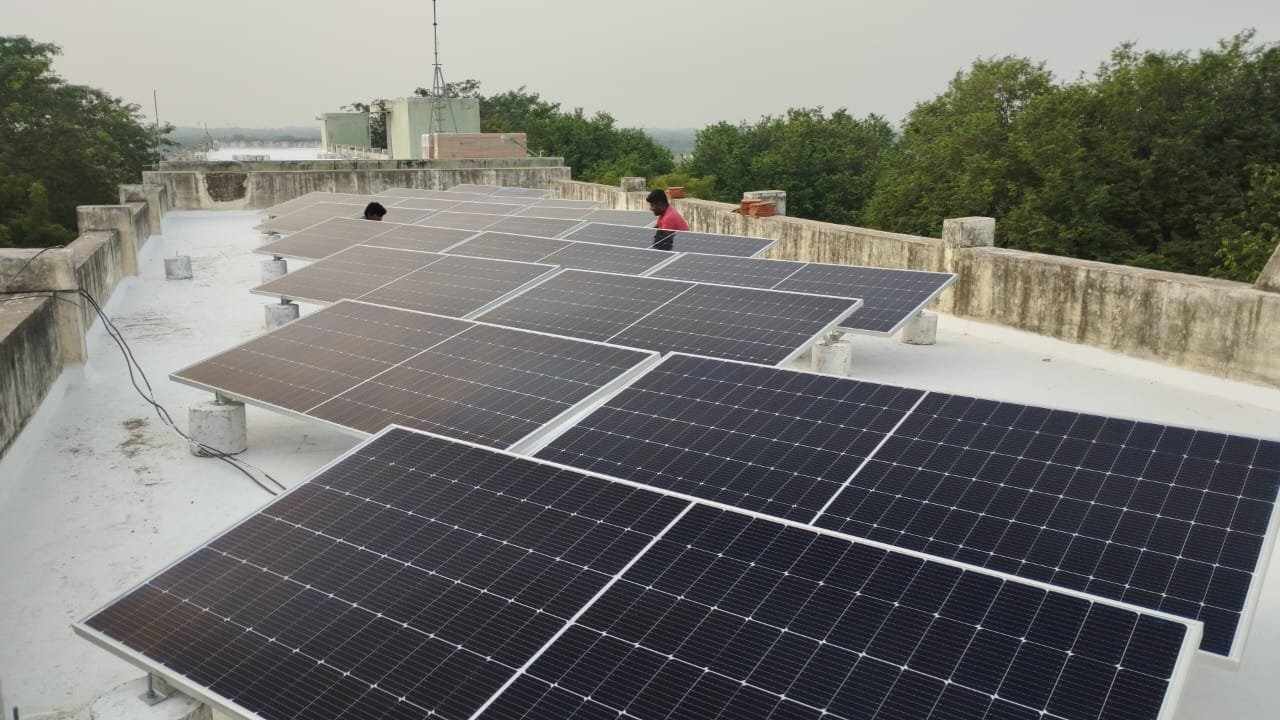
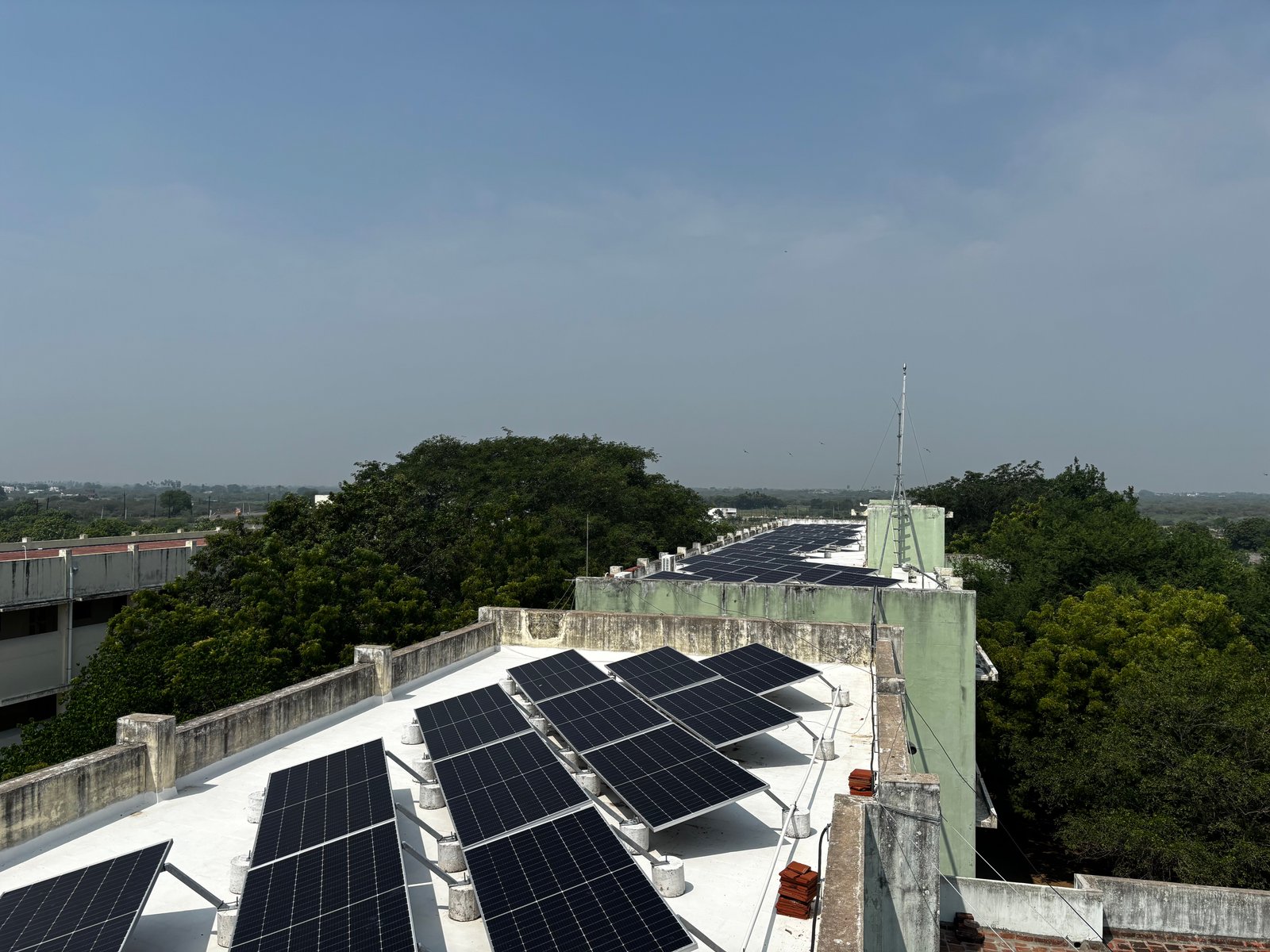
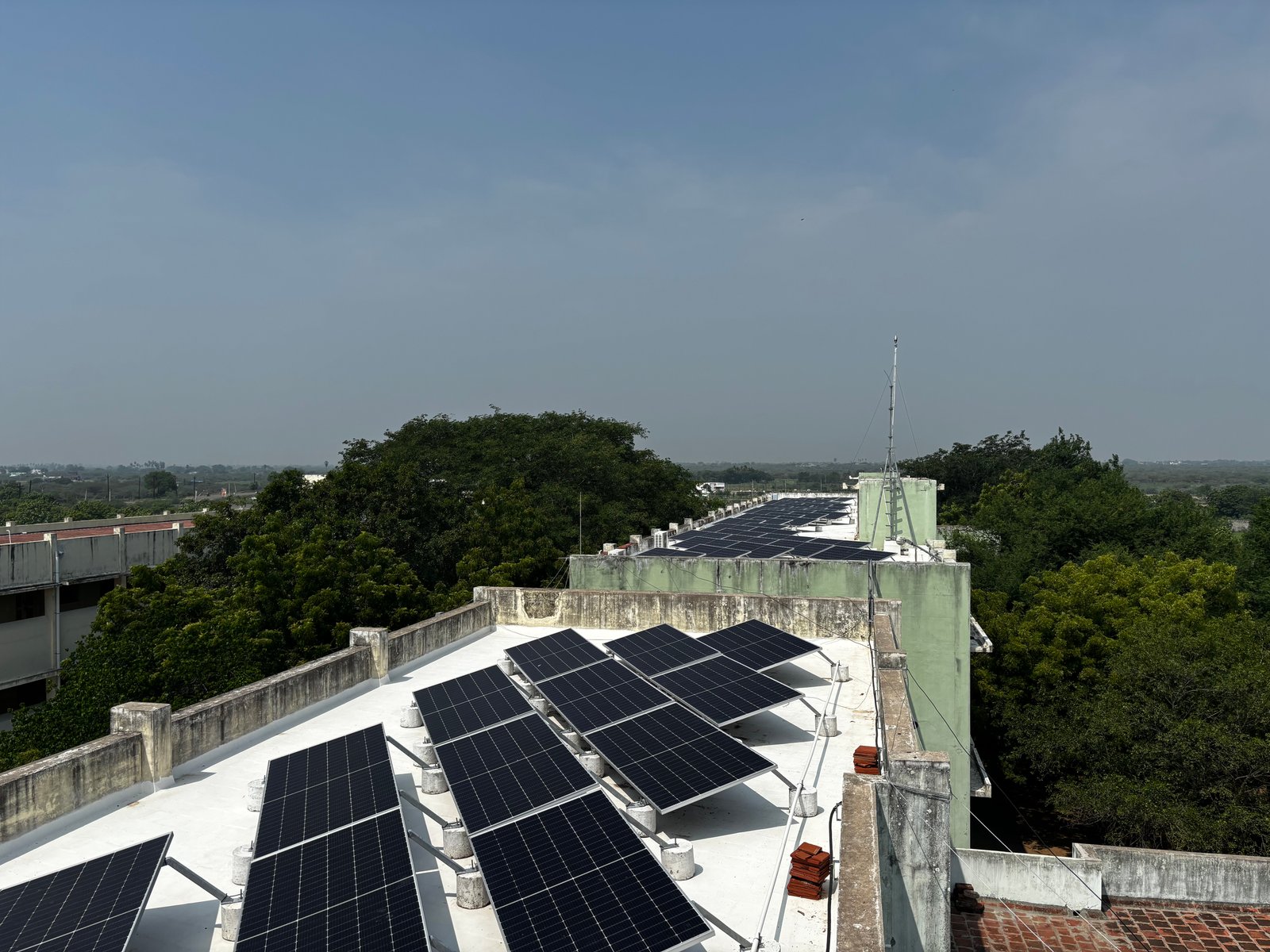
Promoting sustainable energy practices through the effective utilisation of renewable energy, G. Venkataswamy Naidu College (Autonomous), Kovilpatti, is equipped with a 50 kW rooftop solar photovoltaic (PV) system. The system generates clean electricity to support the energy requirements of campus facilities, reduce dependence on conventional energy sources and minimise the institutional carbon footprint. This initiative reflects the College's commitment to renewable energy, energy conservation and environmental sustainability.
Campus-wide LED Lighting System
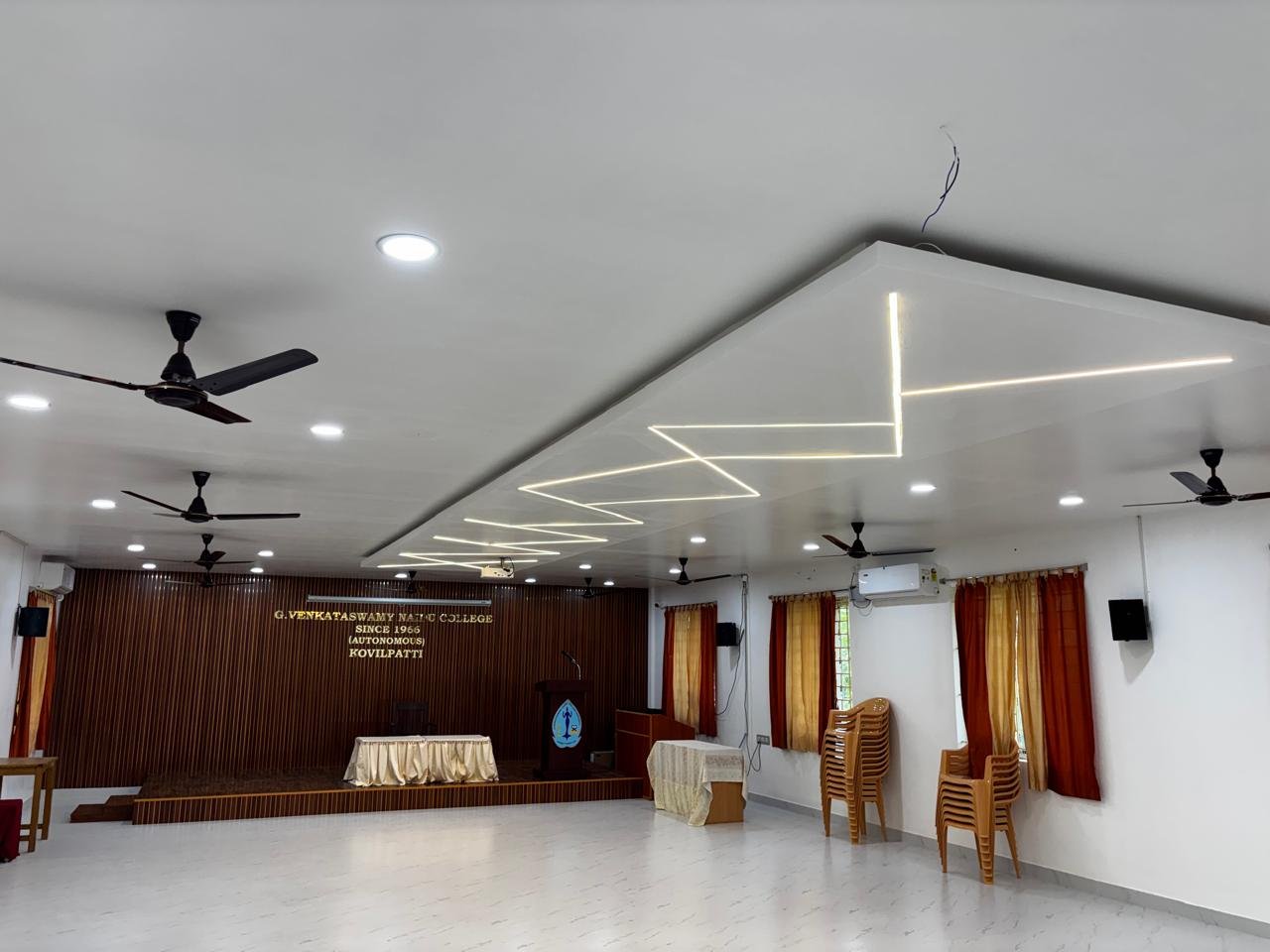
The College promotes energy conservation through the progressive replacement of conventional lighting with energy-efficient LED fixtures across classrooms, laboratories, administrative offices and common areas. This initiative helps reduce electricity consumption, minimise maintenance requirements and improve energy efficiency. It reflects the institution's commitment to sustainable energy management and the development of an eco-friendly campus.
Natural Lighting and Ventilation
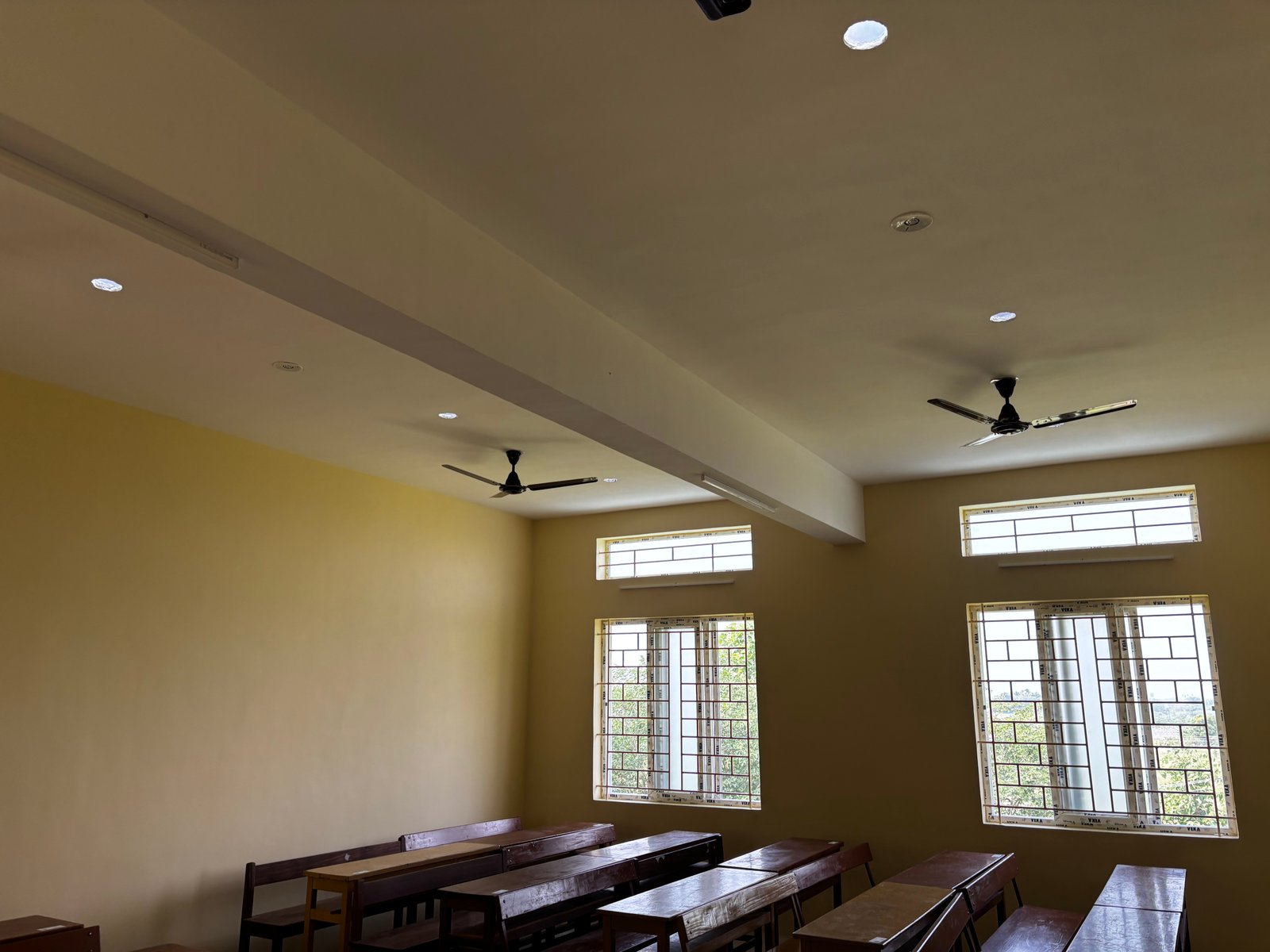
The College promotes the effective utilisation of natural daylight and cross-ventilation through its campus infrastructure. Classrooms, laboratories and other buildings are designed to facilitate adequate natural lighting and airflow, reducing dependence on artificial lighting and mechanical cooling. This initiative enhances the comfort of students and staff while supporting energy conservation and sustainable campus management.
Green Building Practices
The College promotes sustainable building practices by incorporating natural lighting, adequate ventilation, energy-efficient LED lighting, rainwater harvesting and environmentally responsible infrastructure development. These measures aim to minimise resource consumption, improve energy efficiency and create a healthy and eco-friendly campus environment, reflecting the institution's commitment to environmental sustainability.
Environmental Awareness and Climate Action
The College promotes environmental awareness and climate responsibility through the celebration of important environmental occasions such as World Environment Day, Earth Day, World Ozone Day and World Water Day. Seminars, workshops, awareness campaigns, tree plantation drives and community outreach programmes are organised to encourage environmental protection, biodiversity conservation and sustainable living among students, staff and the wider community. These initiatives foster environmental responsibility and active participation in climate action.
Water Conservation
Rainwater Harvesting System
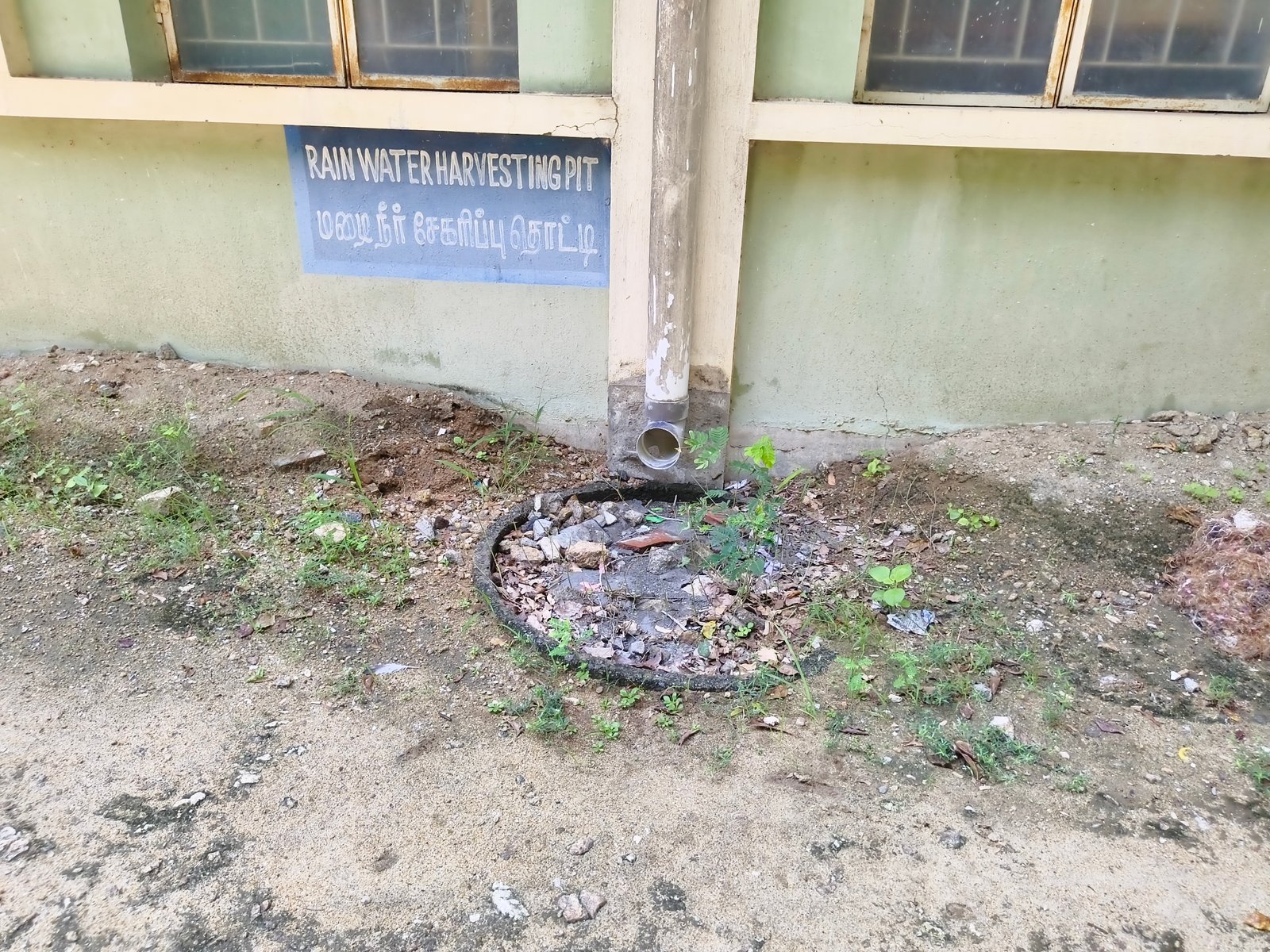
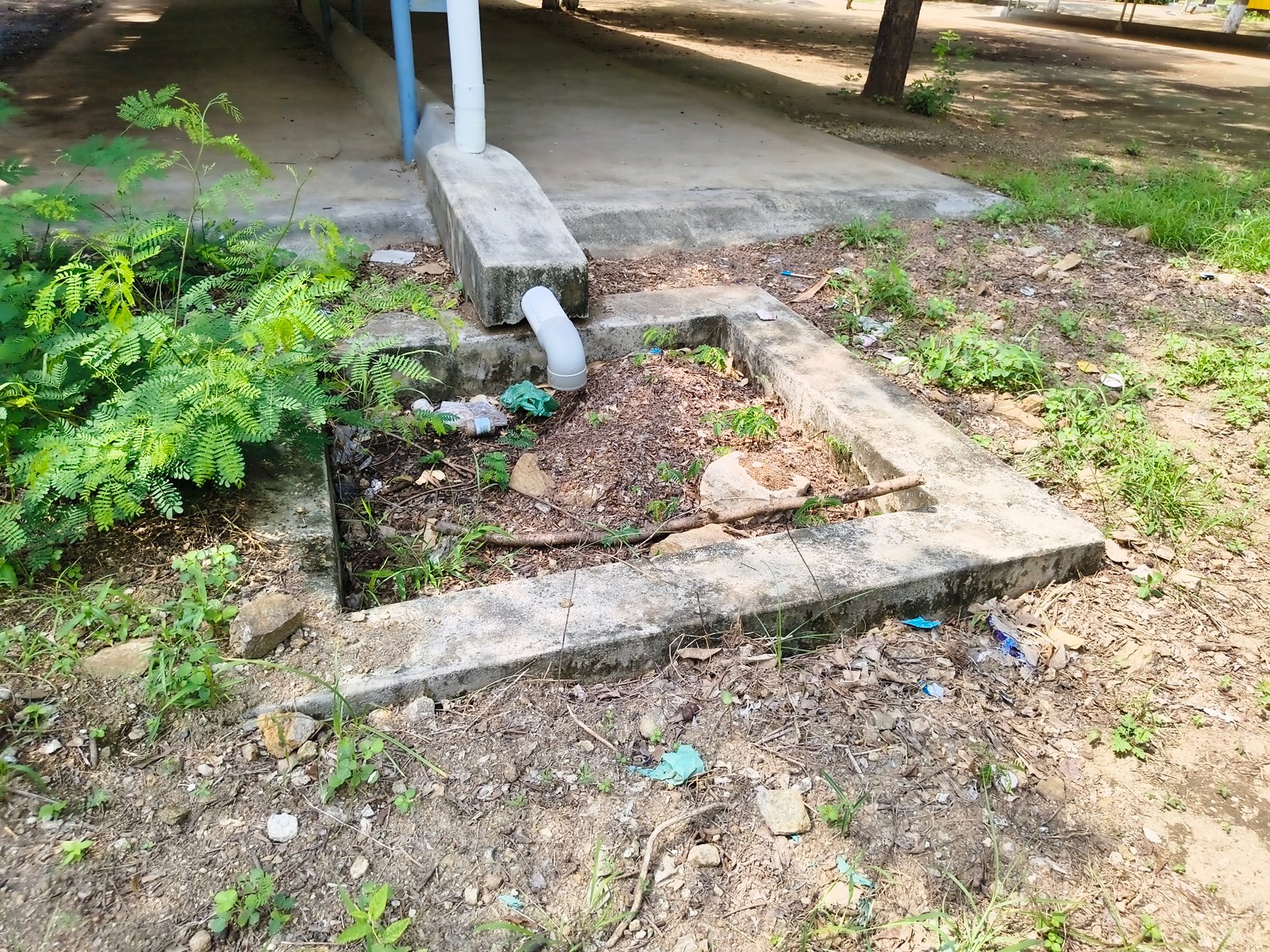
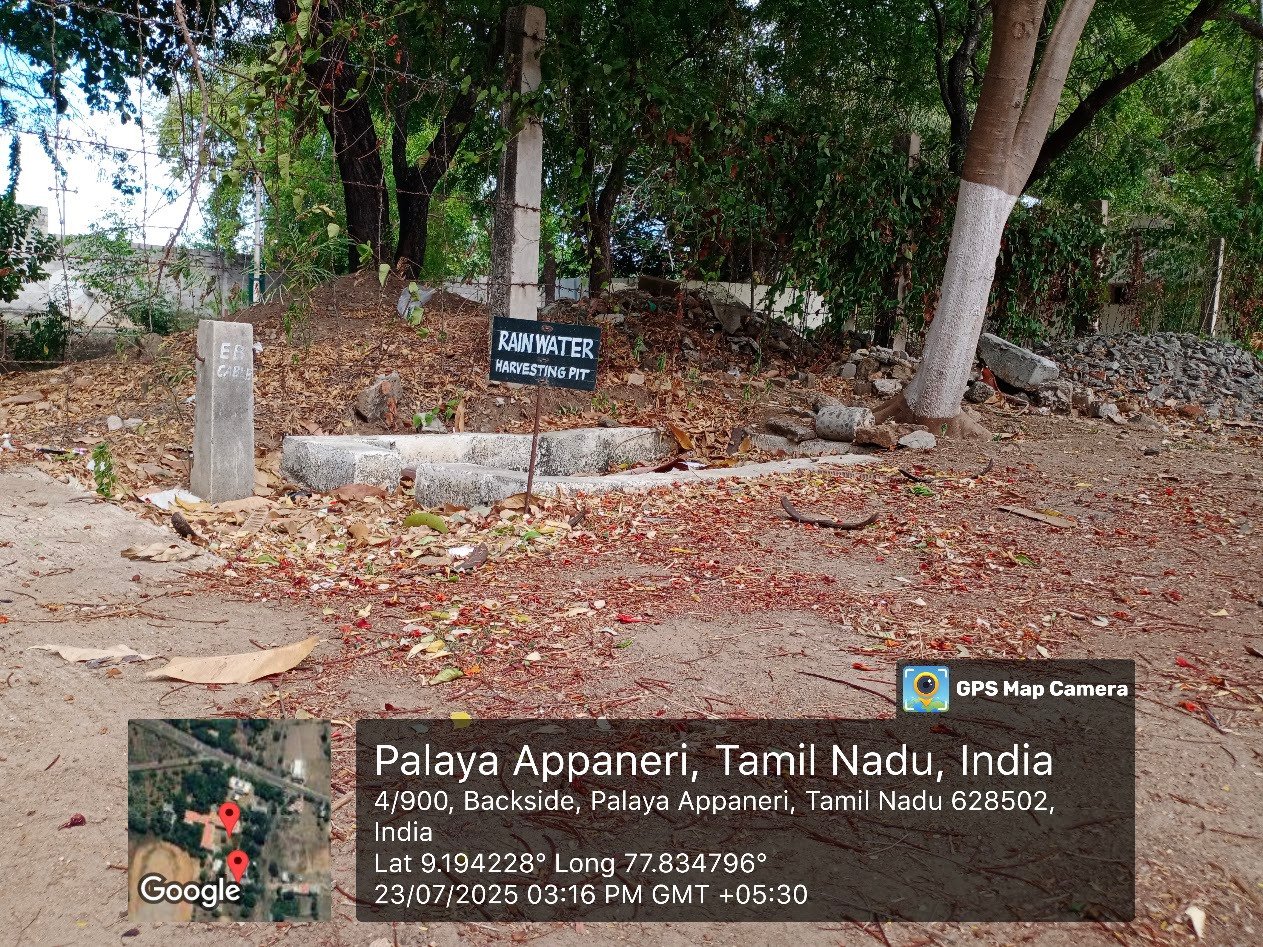
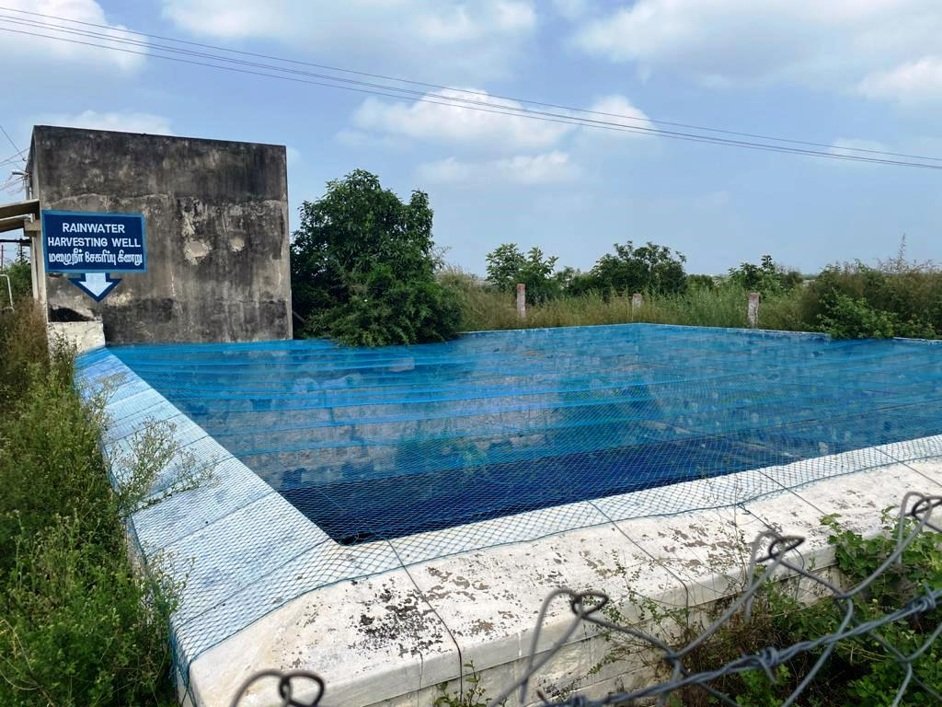
The College promotes water conservation through an effective rainwater harvesting system. Rainwater collected from the campus rooftops is channelled directly into the existing well for storage and groundwater replenishment. The harvested water is subsequently distributed and utilised for non-potable purposes across the campus, reducing dependence on external water sources. This initiative reflects the institution's commitment to sustainable water management and conservation of natural resources.
Groundwater Recharge and Conservation
The College promotes groundwater conservation by directing harvested rainwater from campus rooftops into existing wells. This practice facilitates the replenishment of groundwater resources while providing a sustainable source of water for non-potable purposes across the campus. The initiative helps conserve freshwater resources, improve water availability and strengthen the institution's commitment to sustainable water management.
Biodiversity & Conservation
Flora and Fauna Conservation
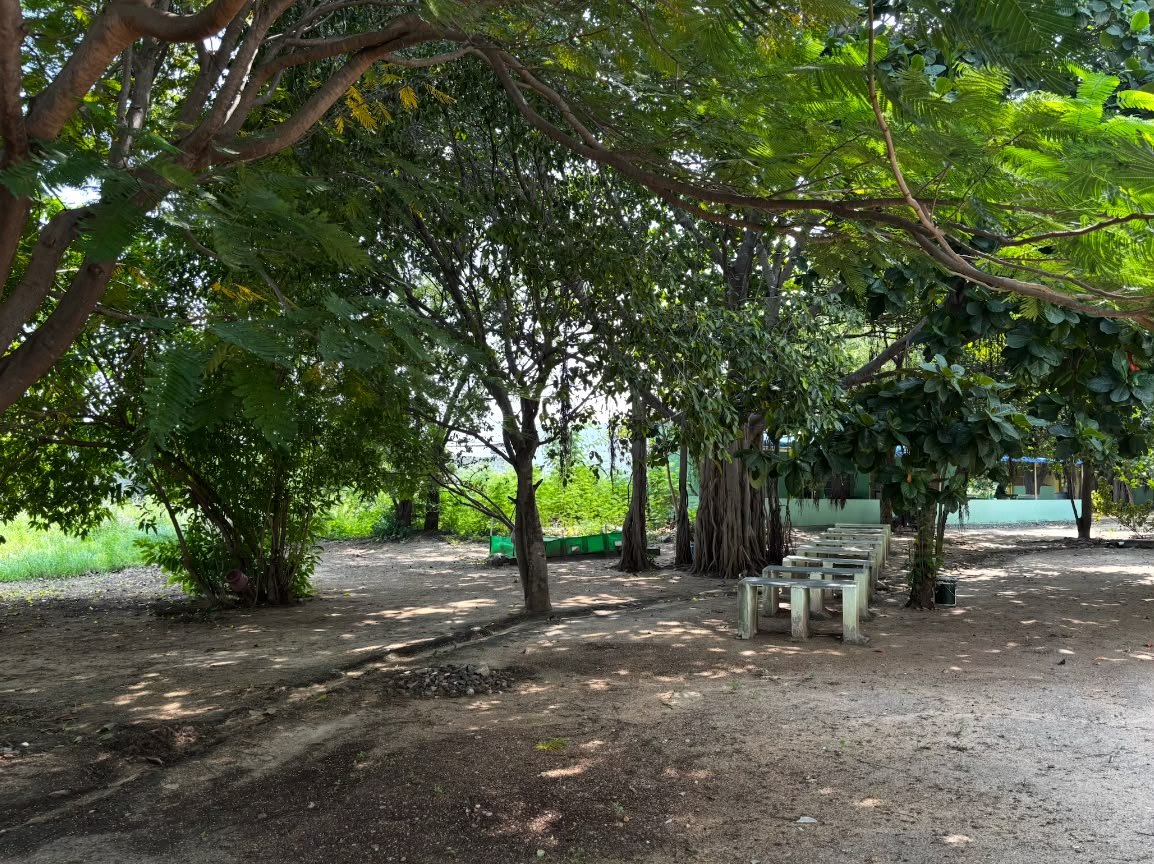
Nature as a Classroom: Spread across 53 acres of green campus, G. Venkataswamy Naidu College (Autonomous), Kovilpatti, provides a rich natural environment that supports diverse plant and animal life. The campus serves as a living laboratory for experiential learning, biodiversity documentation and environmental research. Students are encouraged to explore and understand nature through field studies, biodiversity surveys and practical learning activities, fostering environmental awareness and ecological responsibility.
Medicinal Plant Garden
The College maintains a medicinal plant garden featuring species such as Tulsi, Neem, Aloe vera and other medicinal herbs. The garden serves as a practical learning resource for students, promoting awareness of traditional medicinal plants, their uses and the importance of biodiversity conservation. It also encourages the sustainable utilisation of plant resources and strengthens environmental education on campus.
Biodiversity Documentation
The College periodically documents its campus flora and fauna through biodiversity surveys and species identification. The campus biodiversity records include 34 butterfly species, 64 tree species, 84 herb species and 34 shrub species. These documented records serve as valuable resources for biodiversity conservation, environmental monitoring, ecological studies and student research, reinforcing the College's commitment to environmental sustainability.
Tree-Lined Pathways and Green Spaces
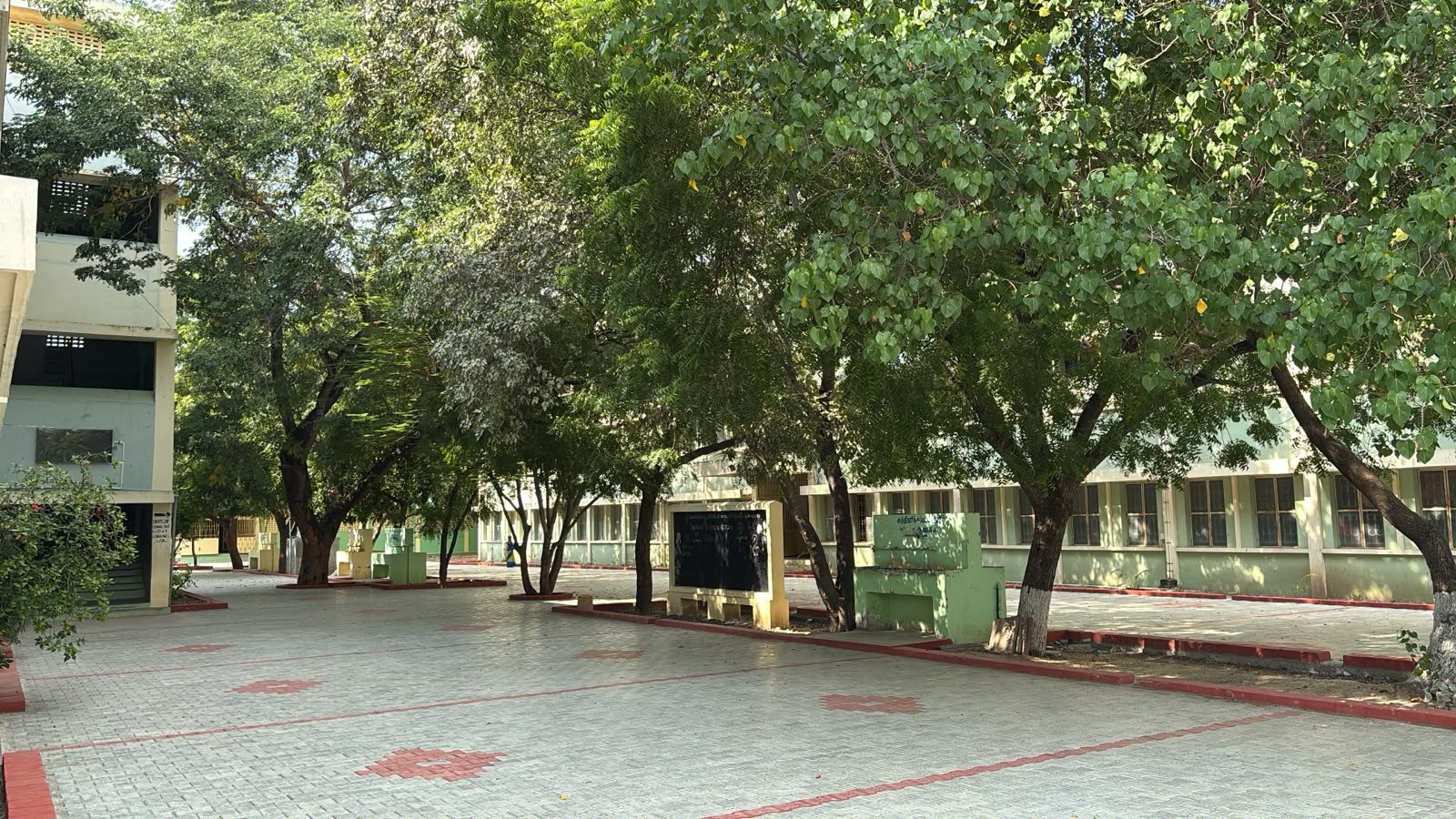
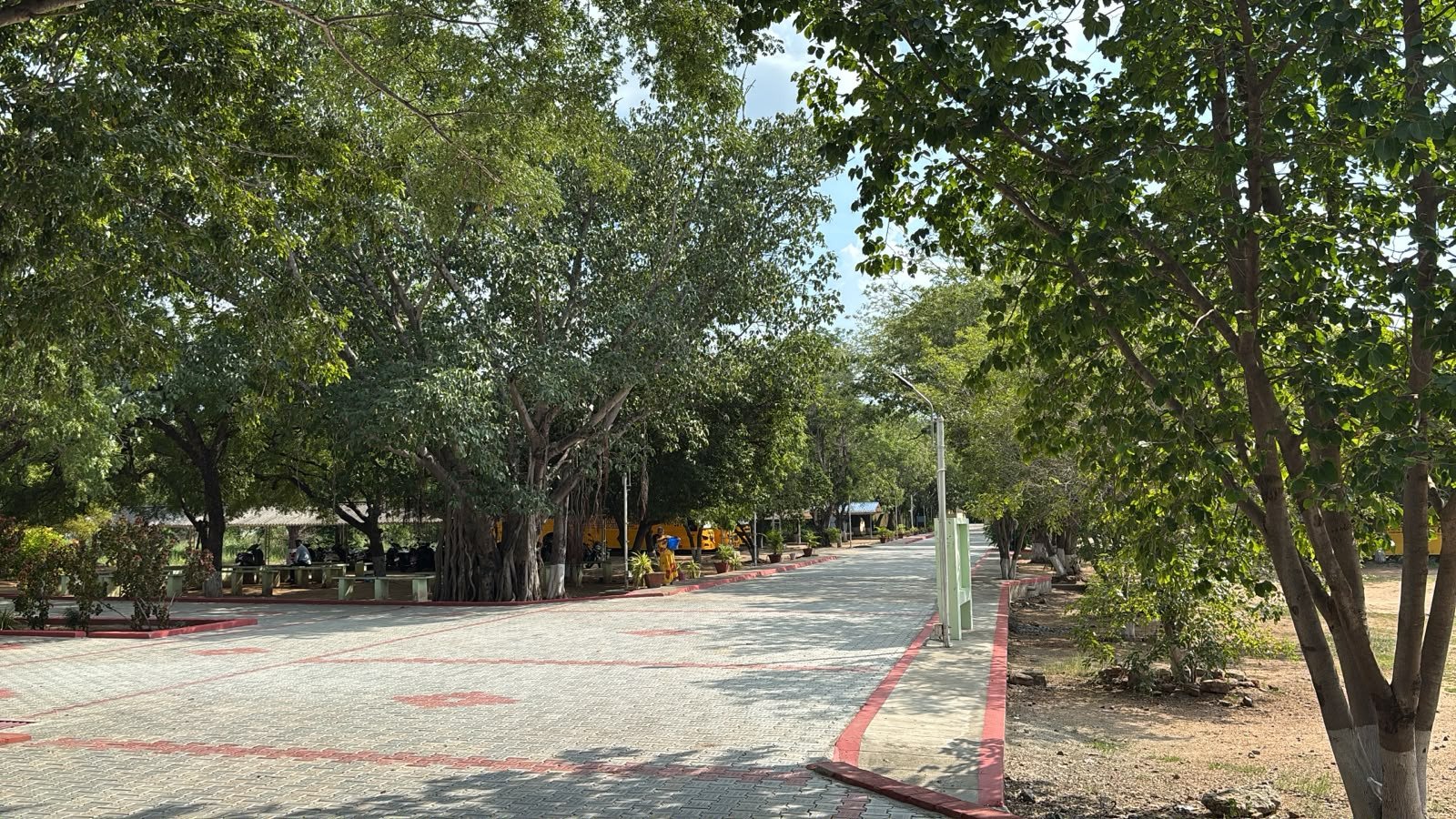
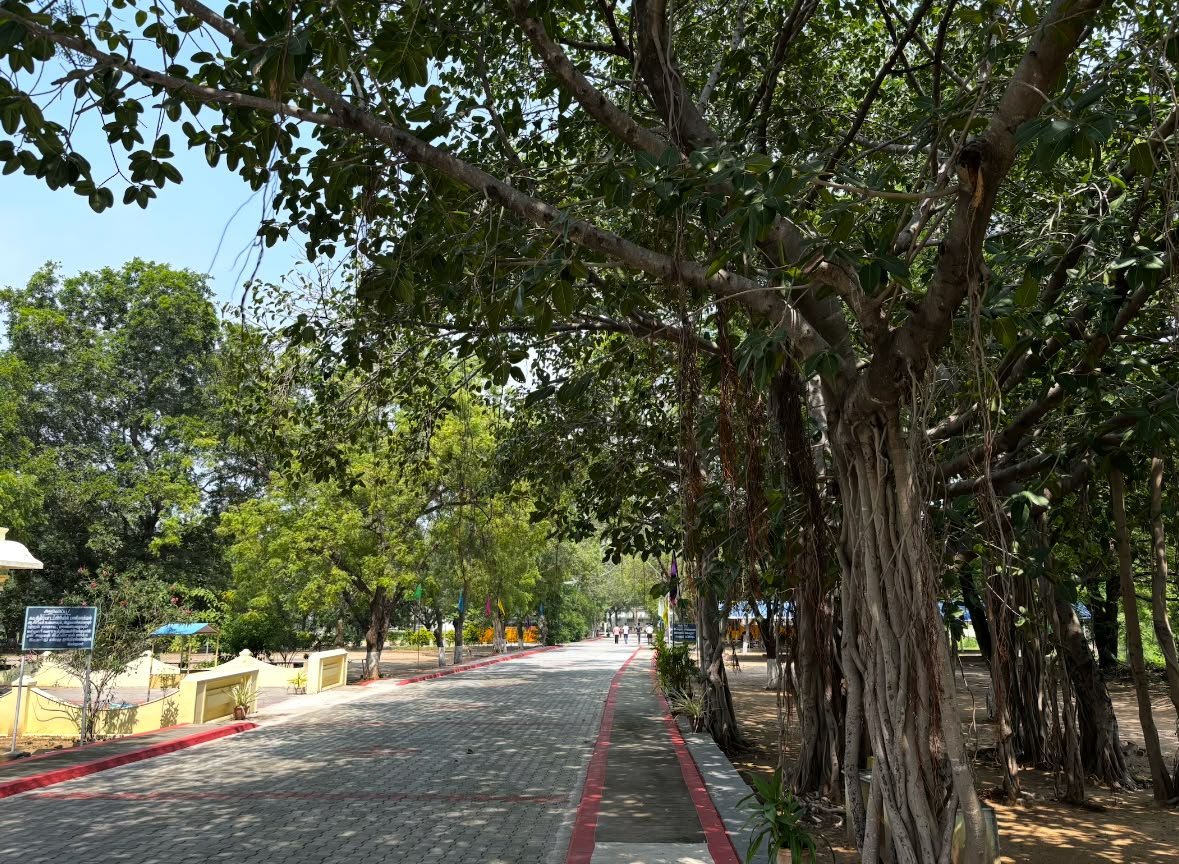
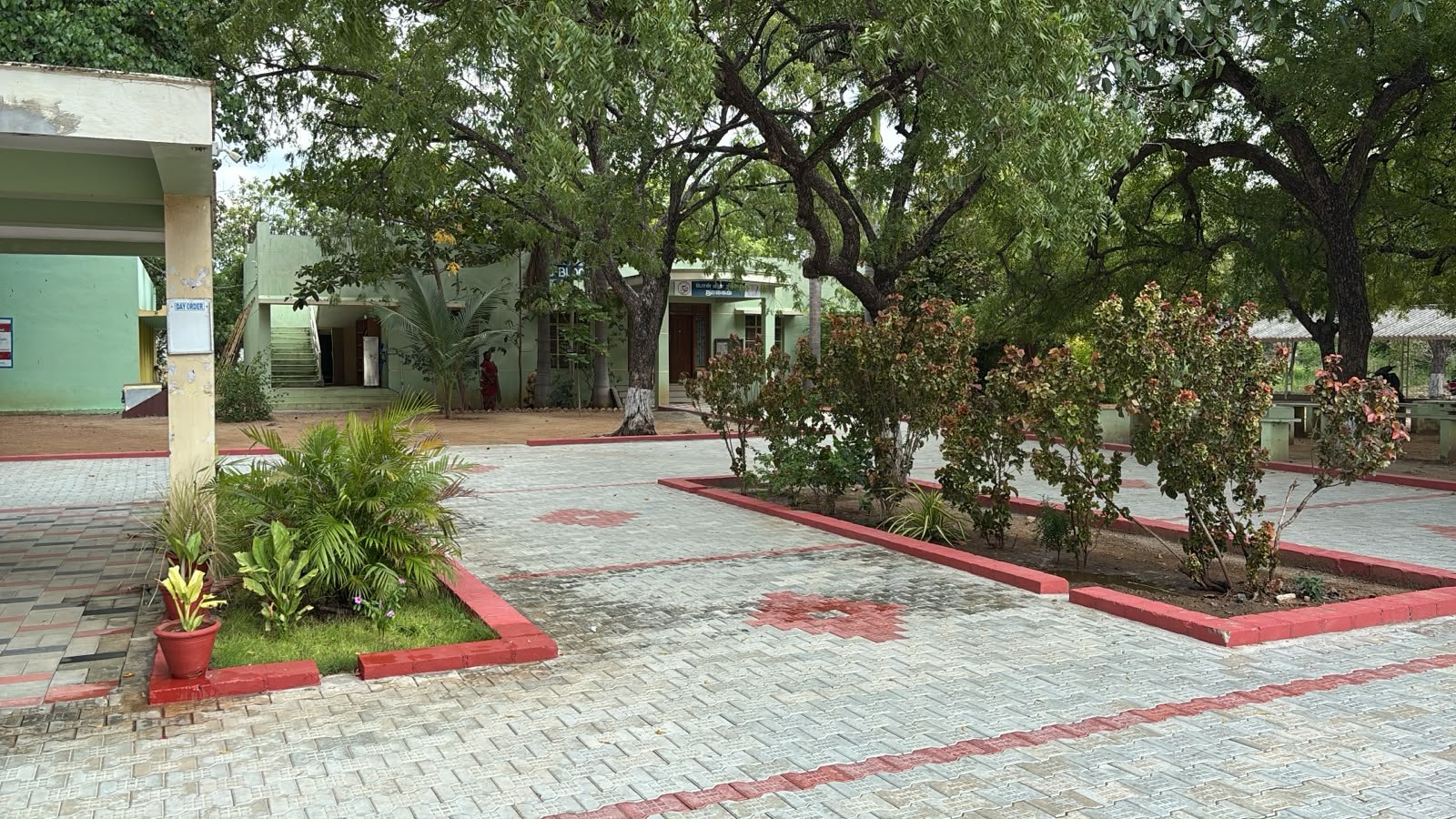
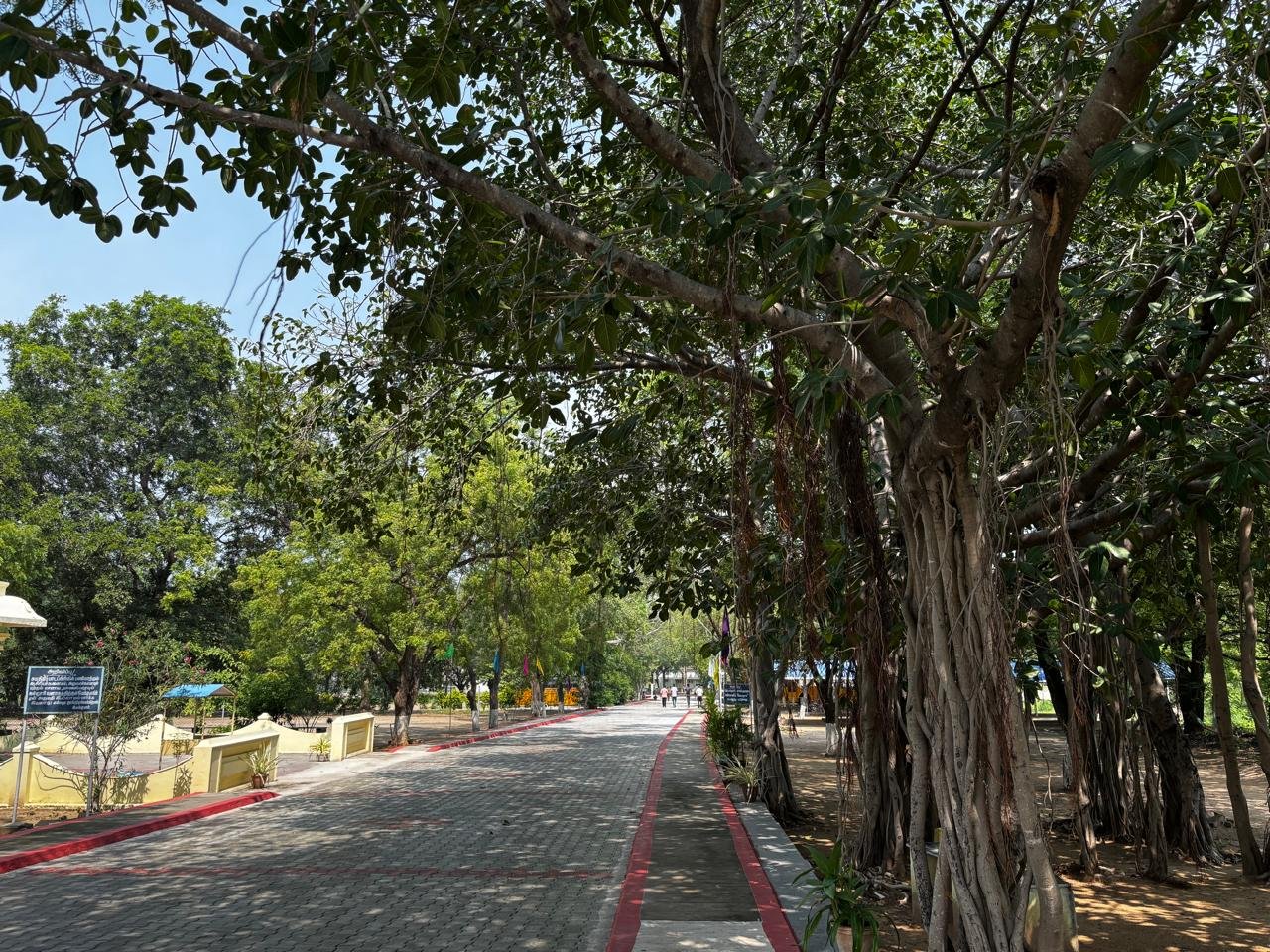
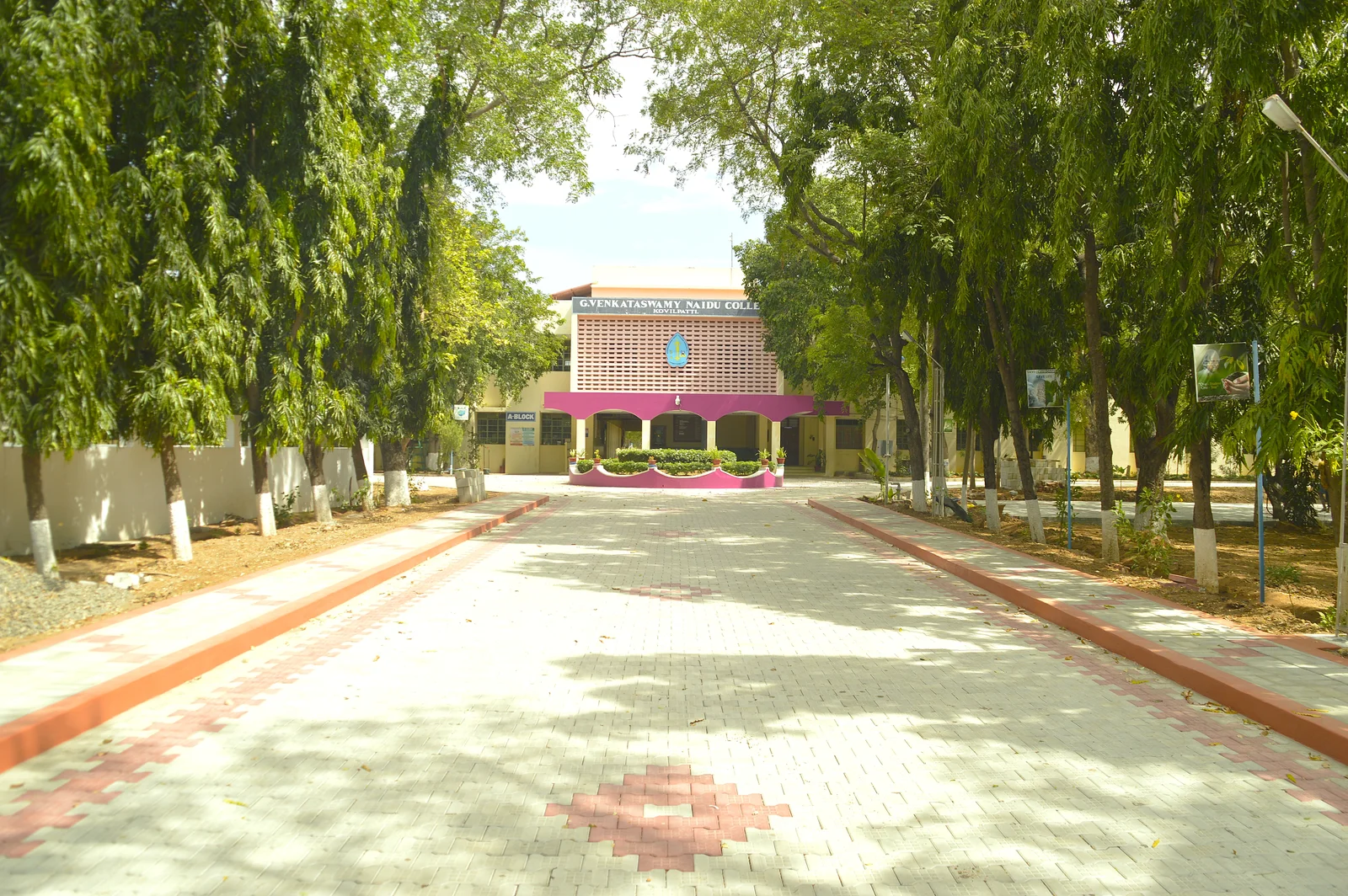
The College campus features tree-lined pathways and interconnected green spaces that provide natural shade, improve air quality and support local biodiversity. These green landscapes create ecological corridors for birds, butterflies and other wildlife while providing a peaceful and pleasant environment for teaching, learning and the overall well-being of students and staff.
Waste Management
E-Waste Collection and Responsible Disposal
The College promotes responsible electronic waste management through periodic e-waste collection drives and the installation of a dedicated e-waste collection bin in the Main Block. Students and staff are encouraged to deposit obsolete electronic devices and components in the designated collection bin. The collected e-waste is handed over to authorised recyclers for environmentally safe processing and disposal, fostering responsible waste management and environmental awareness on campus.
Sustainable Mobility
Pedestrian-Friendly Campus
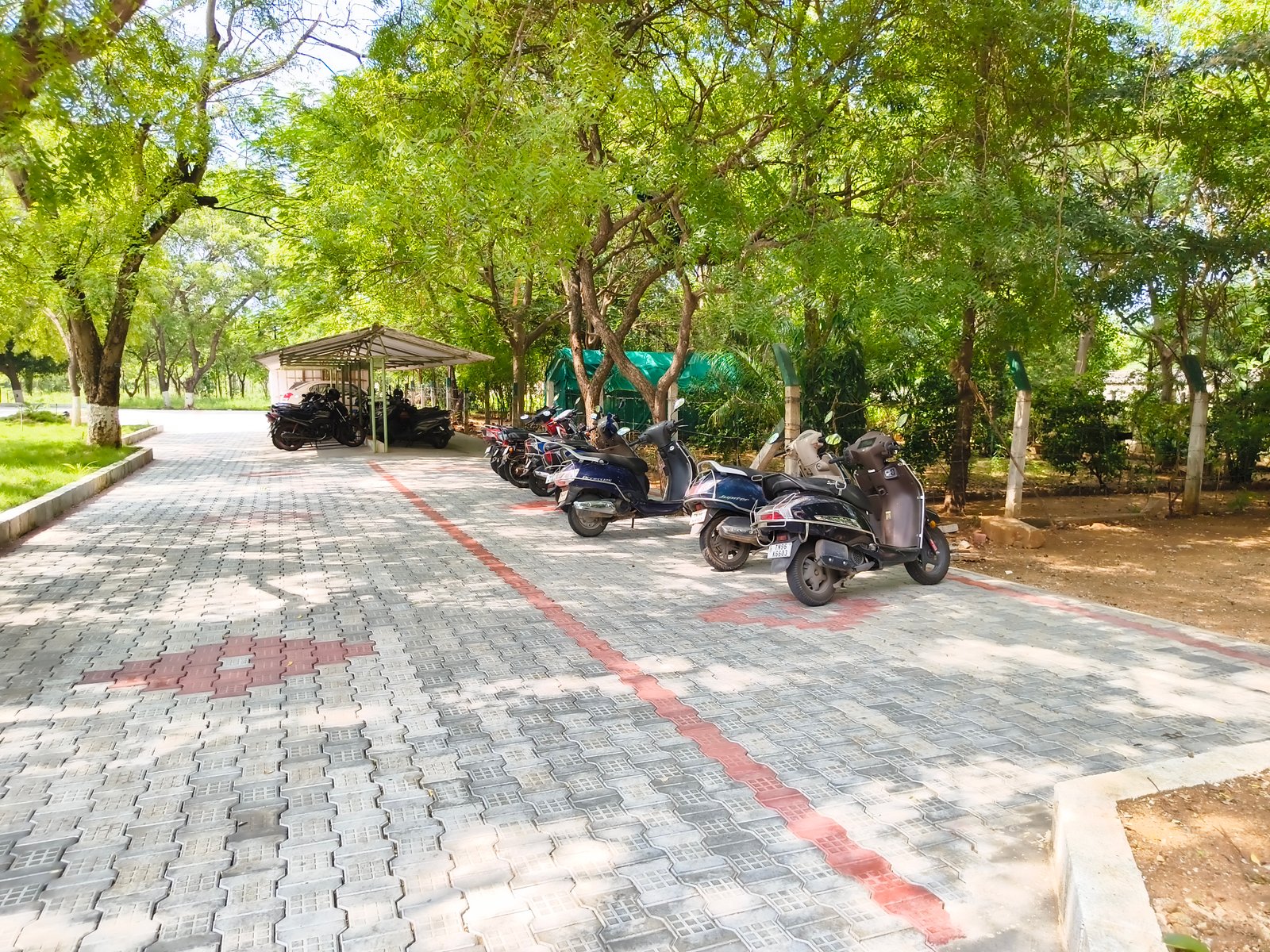
The College promotes sustainable mobility by providing well-maintained pedestrian pathways. These pathways ensure safe and convenient movement of students, faculty and staff while encouraging walking as an eco-friendly mode of transportation. This initiative contributes to reduced vehicular movement within the campus, improved safety and a healthier learning environment.
Parking Facilities
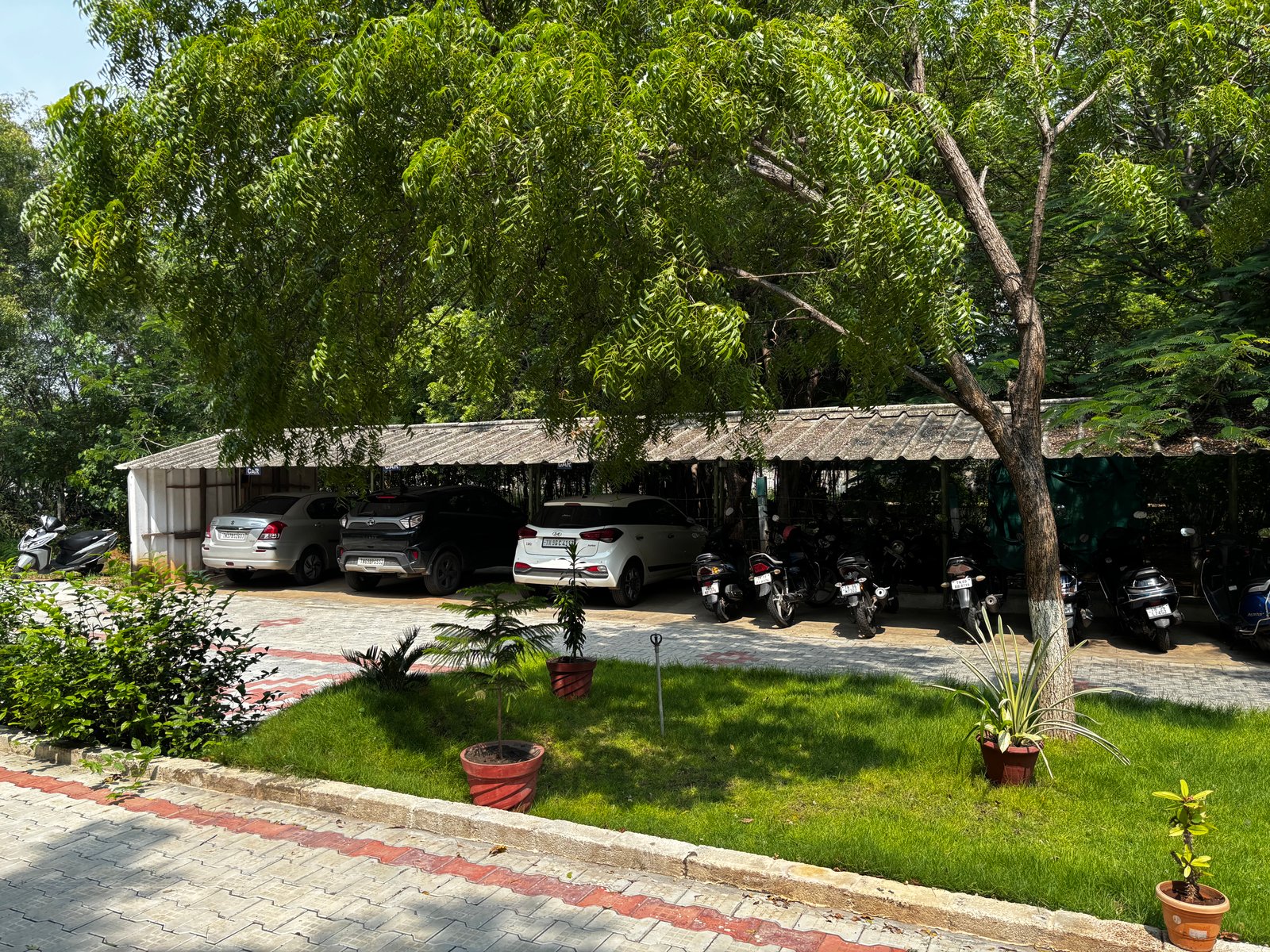
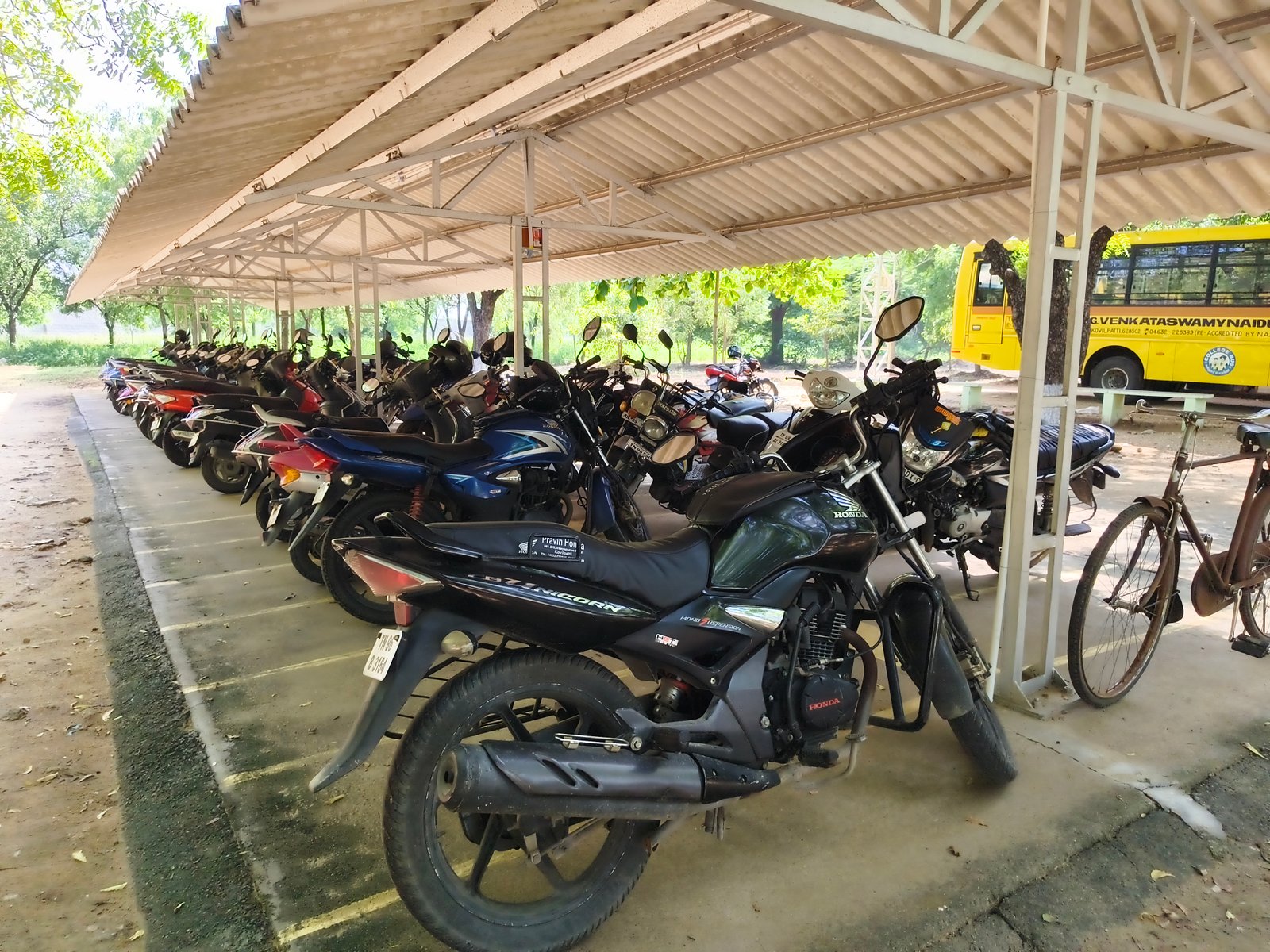
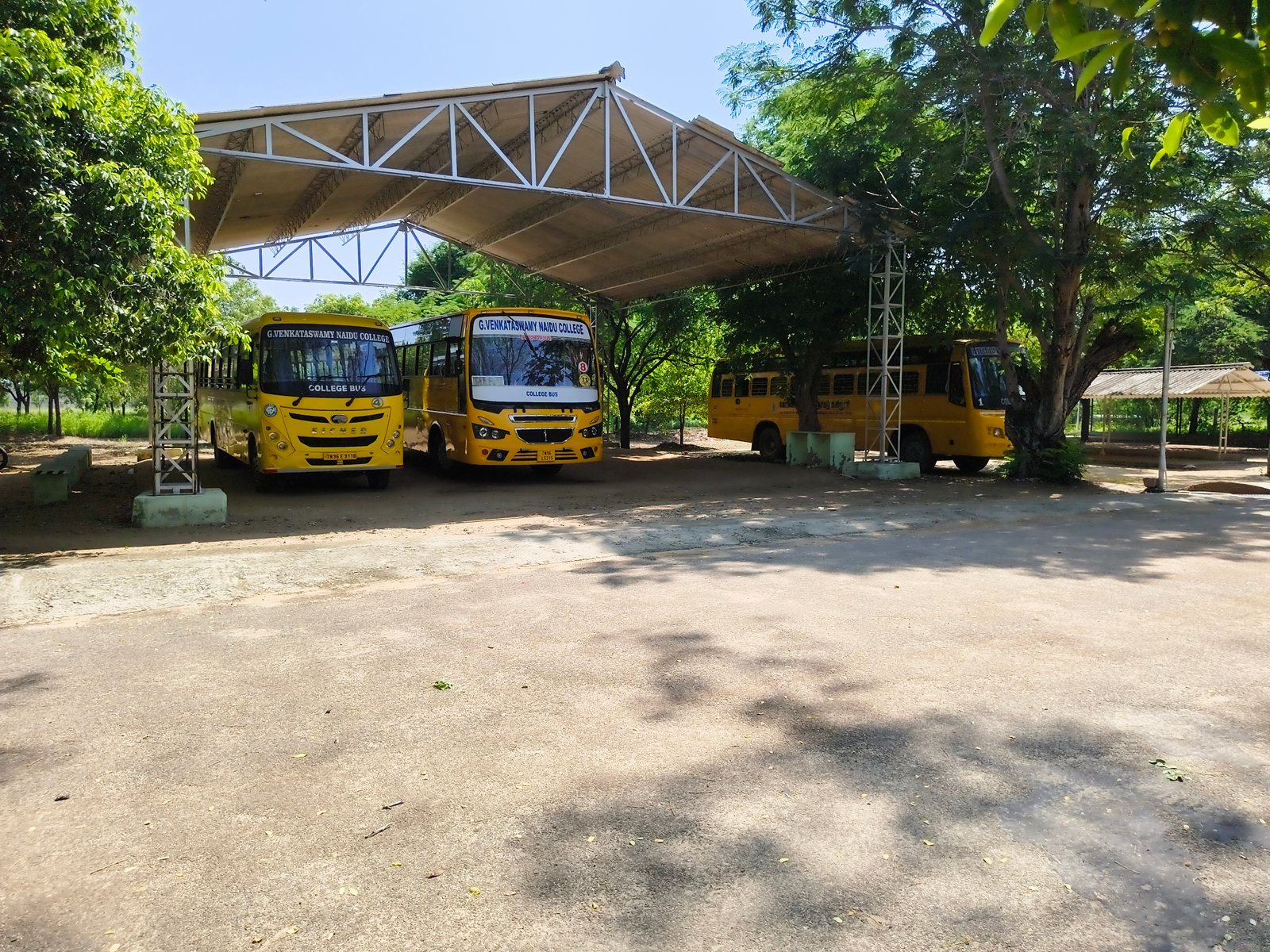
The College provides designated parking facilities for two-wheelers, cars and Buses to ensure systematic vehicle management within the campus. The organised parking arrangements help minimise traffic congestion, ensure the safety of pedestrians and facilitate smooth movement of vehicles, contributing to a safe and orderly campus environment.
Regulated Vehicle Movement
The College regulates vehicular movement within the campus to ensure pedestrian safety, minimise traffic congestion and maintain a peaceful academic environment. Students, faculty, staff and visitors are encouraged to adhere to campus traffic regulations, maintain safe driving speeds and utilise designated parking areas. This initiative promotes road safety, reduces unnecessary vehicular movement and supports the institution's commitment to sustainable and eco-friendly campus management.
Social Sustainability
Yoga and Wellness
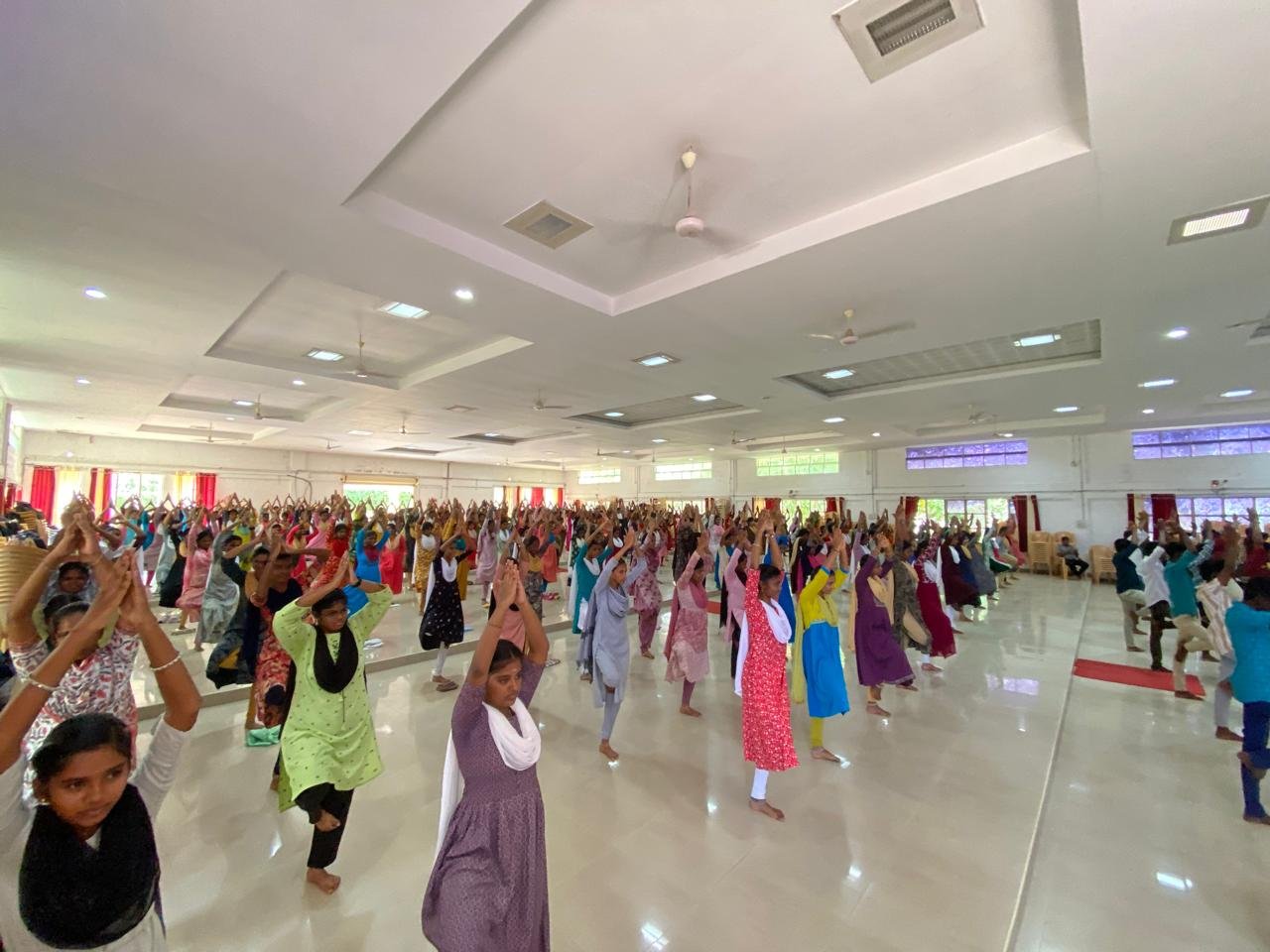
The College promotes physical, mental and emotional well-being through regular yoga programmes, International Yoga Day celebrations, health awareness campaigns and the activities of the Yoga Club. These initiatives encourage students and staff to practise yoga, adopt healthy lifestyles and develop holistic wellness habits, contributing to a healthy, positive and supportive campus environment.
Divyangjan-Friendly Campus and Inclusive Green Initiatives
The College is committed to providing an inclusive and accessible learning environment through barrier-free facilities such as ramps, accessible classrooms, toilets and other essential infrastructure for persons with disabilities.
Gender Sensitization and Cultural Inclusion
The College promotes gender equality, social harmony and cultural inclusion through various institutional initiatives. The Women’s Cell organises gender sensitization programmes and International Women’s Day celebrations. The College also observes Human Rights Day, National Voters' Day, Ethnic Day and College Day, along with anti-ragging awareness programmes. These initiatives encourage equal participation, mutual respect, cultural understanding and an inclusive campus environment.
Campus Inclusiveness and Student Talent Promotion
The College fosters an inclusive and welcoming campus environment by providing equal opportunities for students to express their talents, creativity and entrepreneurial skills. Through events such as Talent Fest and Trade Shows, students are encouraged to showcase their artistic abilities, cultural interests, innovative ideas and student-developed products. These activities promote mutual respect, teamwork, creativity and active student participation, strengthening a vibrant and inclusive campus community.







Social Sustainability
Yoga and Wellness
The College promotes physical, mental and emotional well-being through regular yoga programmes, International Yoga Day celebrations, health awareness campaigns and the activities of the Yoga Club. These initiatives encourage students and staff to practise yoga, adopt healthy lifestyles and develop holistic wellness habits, contributing to a healthy, positive and supportive campus environment.
Divyangjan-Friendly Campus and Inclusive Green Initiatives
The College is committed to providing an inclusive and accessible learning environment through barrier-free facilities such as ramps, accessible classrooms, toilets and other essential infrastructure for persons with disabilities.
Gender Sensitization and Cultural Inclusion
The College promotes gender equality, social harmony and cultural inclusion through various institutional initiatives. The Women’s Cell organises gender sensitization programmes and International Women’s Day celebrations. The College also observes Human Rights Day, National Voters' Day, Ethnic Day and College Day, along with anti-ragging awareness programmes. These initiatives encourage equal participation, mutual respect, cultural understanding and an inclusive campus environment.
Campus Inclusiveness and Student Talent Promotion
The College fosters an inclusive and welcoming campus environment by providing equal opportunities for students to express their talents, creativity and entrepreneurial skills. Through events such as Talent Fest and Trade Shows, students are encouraged to showcase their artistic abilities, cultural interests, innovative ideas and student-developed products. These activities promote mutual respect, teamwork, creativity and active student participation, strengthening a vibrant and inclusive campus community.